Every year on March 17th, the world turns a vibrant shade of green. Streets are lined with parades, rivers dyed emerald, and revelers don their most spirited shades of jade to honor St. Patrick’s Day. However, beyond the festive attire and lively parties, lies a rich history and cultural significance that transforms this day from a mere green affair into a profound global celebration. With its roots deeply embedded in Ireland, St. Patrick’s Day serves as a tribute to the patron saint of Ireland, but its essence and spirit resonate far beyond its origins.

The Man Behind the Holiday: Who Was St. Patrick?
Diving into the history of St. Patrick’s Day reveals a story far more intriguing than the legends of leprechauns and pots of gold might suggest. At the center of this tale is a man named Maewyn Succat, who would later become known to the world as St. Patrick. Born into a wealthy Romano-British family in the late 4th century, his early years were far removed from the land and people he would ultimately devote his life to. His journey from captive to saint is a testament to resilience and transformation, marking him as one of history’s most enduring figures.
At the tender age of sixteen, Maewyn’s life took a dramatic turn when he was kidnapped by Irish raiders and taken to Ireland as a slave. It was in the green, rolling hills of his captivity where he spent six years tending sheep and, more importantly, where he found solace and strength in his faith. This period of isolation and reflection led to his conversion to Christianity, setting the stage for his later mission.
After making a daring escape back to Britain and studying to become a cleric, Maewyn felt a calling to return to Ireland — this time, not as a captive, but as a missionary. Adopting the name Patrick, he embarked on his mission to spread Christianity across Ireland, facing numerous challenges along the way. His efforts to teach and convert the Irish people were met with both hostility and success, weaving his legacy into the very fabric of Irish culture and history.
Perhaps the most famous legend associated with St. Patrick is his use of the shamrock to explain the concept of the Holy Trinity to the Irish, a simple yet profound act that solidified his place in Irish lore. While no snakes were ever banished (as Ireland never had any to begin with), the symbolic removal of “snakes” represents St. Patrick’s eradication of pagan practices, ushering in a new era of Christian faith.
St. Patrick’s story is one of courage, faith, and unwavering dedication, transcending centuries to inspire those who celebrate his day not just in Ireland, but around the globe. His life serves as the bedrock of St. Patrick’s Day, inviting us to delve deeper into the rich tapestry of history and culture that defines this vibrant celebration.
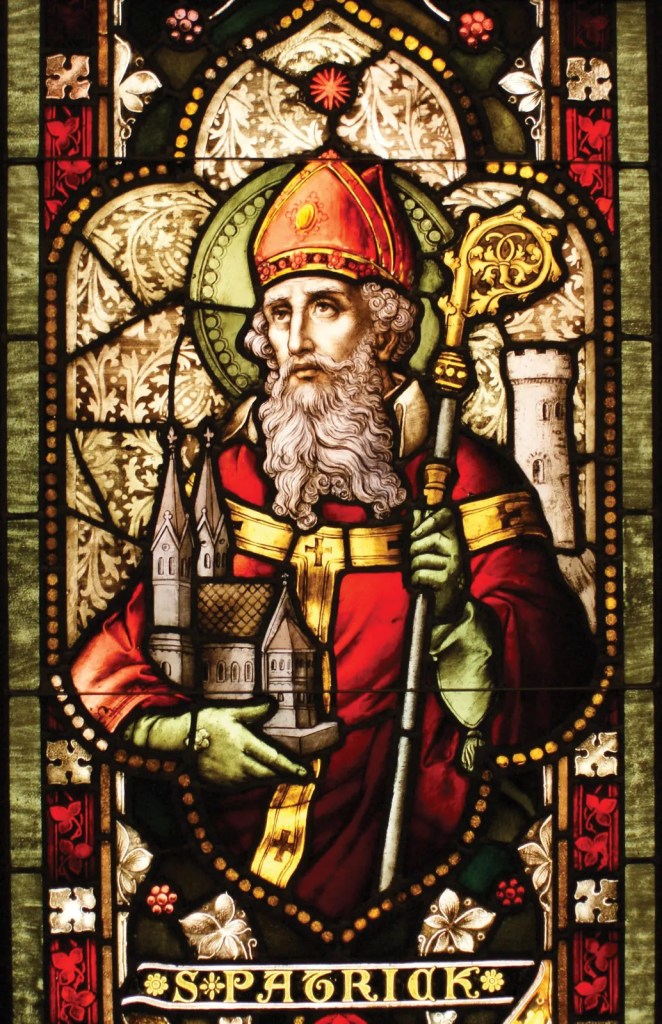
The Evolution of St. Patrick’s Day in Ireland
In Ireland, the journey of St. Patrick’s Day from solemn religious observance to a jubilant nationwide festival mirrors the nation’s own historical and cultural evolution. Initially, March 17th was marked quietly with church services and family gatherings, a day to honor St. Patrick’s devout mission and the spread of Christianity across Ireland. For centuries, it remained a predominantly religious event, with the faithful attending mass and remembering the saint who became synonymous with Irish identity.
However, as the centuries turned, the observance began to adopt a more festive character. The day was officially enshrined as a feast day in the church calendar by the 9th or 10th century, and by the 17th century, it became customary to temporarily suspend the Lenten restrictions on food and alcohol. This shift injected a more celebratory note into the day, paving the way for the traditions of enjoying hearty meals and the occasional pint, which have become hallmarks of the holiday.
The transformation into the secular, exuberant celebration known today was gradual and reflected wider changes in Irish society. The late 20th century saw a reimagining of St. Patrick’s Day in Ireland, as it morphed into an occasion for not just religious reflection, but also national pride and cultural celebration. Parades, previously more common in Irish communities abroad, began to take center stage in cities and towns across the country. These events showcased not only Ireland’s rich heritage and traditions but also its modern creativity and diversity. Music, dance, and art became integral to the festivities, turning St. Patrick’s Day into a week-long festival that attracts visitors from around the world, eager to partake in the lively spirit and camaraderie that now define the observance in its homeland. This dynamic shift underscores the enduring significance of St. Patrick’s Day in Ireland, celebrating not just a saint, but the vibrant culture and resilient spirit of the Irish people themselves.
The Global Spread of St. Patrick’s Day Celebrations
The phenomenon of St. Patrick’s Day blossoming beyond the emerald borders of Ireland into a worldwide celebration is a fascinating narrative of cultural exchange and the enduring spirit of the Irish diaspora. Its journey from a modest religious day in Ireland to an international festival is emblematic of how traditions can evolve and embed themselves within the fabric of diverse societies. The genesis of this global revelry can be traced back to the early Irish immigrants, particularly in the United States, where they leveraged the celebration as both an expression of national pride and a means of solidarity in their new homelands.
Parades, once simple processions, have now morphed into elaborate spectacles featuring floats, bands, and dancers, seen in cities from Toronto to Tokyo, each infusing local flavor with the traditional Irish fervor. These public displays of celebration have played a pivotal role in amplifying St. Patrick’s Day across continents, turning it into a day where everyone is encouraged to embrace the Irish spirit, irrespective of their ethnic background.
Furthermore, the global magnification of St. Patrick’s Day illuminates the power of cultural symbols—shamrocks, the color green, and the lively figure of the leprechaun have become universally recognized markers of the day. This widespread recognition has fostered a unique cultural dialogue, allowing people worldwide to partake in Irish traditions and festivities. Interestingly, the globalization of St. Patrick’s Day has also prompted countries to showcase their own cultures and heritages, highlighting a mutual exchange and celebration of global diversity through the lens of this distinctly Irish holiday.
This global tapestry of St. Patrick’s Day celebrations underscores the holiday’s remarkable journey from its humble beginnings to a cherished global tradition, illustrating the universal human desire for connection, celebration, and the joyous expression of cultural identity.

Symbols and Traditions of St. Patrick’s Day
At the heart of St. Patrick’s Day are symbols and traditions that have evolved over centuries, weaving a rich tapestry of cultural heritage and festivity. The shamrock, a sprig of clover, stands as the most iconic emblem of the day. Legend has it that St. Patrick used it as a visual guide to explain the Holy Trinity, making this humble plant a powerful symbol of faith and Irish identity. Its vibrant green hue also embodies the renewal of spring, a nod to the natural beauty of the Irish landscape.
The mischievous leprechaun, another hallmark of the celebration, captures the whimsy and enchantment of Irish folklore. These fairy folk, often depicted cobbling shoes, are said to hide their pots of gold at the end of rainbows. While leprechauns reflect the rich tradition of storytelling in Ireland, they also add a playful element to the festivities, sparking the imagination of both young and old.
Green, the color that swathes cities across the globe on March 17th, has come to symbolize not just the holiday, but Irish pride itself. Its adoption is rooted in the shamrock and Ireland’s verdant landscapes, but also in historical movements for Irish independence, making it a hue of resilience and unity.
The culinary traditions of St. Patrick’s Day offer a taste of Ireland’s heritage, with dishes like corned beef and cabbage and the hearty enjoyment of Irish stout and whiskey bringing people together in communal feasting. These foods, though sometimes adapted in lands far from Ireland, help to foster a sense of belonging and shared experience, embodying the spirit of hospitality that the Irish are renowned for.
Together, these symbols and traditions form the essence of St. Patrick’s Day, a celebration that transcends its religious origins to embrace a broader sense of community, heritage, and the joy of a shared heritage.
The Cultural Impact of St. Patrick’s Day
The ripple effect of St. Patrick’s Day on the global stage goes far beyond a singular celebration of Irish culture; it has morphed into a vibrant testament to the power of cultural dissemination and the beauty of global inclusivity. This annual event not only highlights the richness of Irish traditions and history but also acts as a catalyst for bringing diverse communities together, fostering a sense of unity and shared joy in the process.
Internationally, St. Patrick’s Day serves as an open invitation to experience and appreciate the depth of Irish culture, from its haunting melodies and spirited dances to its literary giants and culinary delights. It sparks curiosity and interest in Ireland’s cultural heritage, encouraging educational exchanges and tourism that further intertwine global societies. Schools, libraries, and cultural institutions often seize this opportunity to educate about Irish history and traditions, broadening understanding and appreciation across borders.
Moreover, the day is a vibrant showcase of the adaptability and resilience of cultural practices. As people worldwide don green attire and partake in Irish festivities, they engage in a dynamic form of cultural exchange, adapting traditions to local contexts while honoring their origins. This phenomenon illustrates the fluid nature of culture and its capacity to connect individuals across different backgrounds, creating a shared space for intercultural dialogue and mutual respect.
The cultural impact of St. Patrick’s Day transcends mere celebration; it embodies the enduring influence of the Irish diaspora and the universal appeal of embracing one’s heritage with pride and joy. Through this global embrace, the day reaffirms the significance of cultural heritage as a bridge between peoples, highlighting the interconnectedness of our world and the enriching possibilities of cultural exchange.
Modern Celebrations and Controversies
As St. Patrick’s Day has blossomed into a worldwide phenomenon, it’s not without its modern-day challenges and debates. The celebration’s expansion has brought not only joy and unity but also sparked discussions on the portrayal of Irish culture and the occasional excesses associated with the day’s festivities. Critiques often center around two main issues: the reinforcement of Irish stereotypes, particularly the association with drinking, and the commercialization of the holiday, which some feel dilutes its historical and cultural significance.
Efforts are being made to navigate these controversies with sensitivity and awareness, aiming to preserve the essence of St. Patrick’s Day while ensuring it remains an inclusive and respectful celebration. Initiatives include educational campaigns that focus on the rich tapestry of Irish history and contributions beyond stereotypes, as well as promoting activities that highlight Ireland’s cultural, literary, and artistic achievements. These endeavors strive to create a more nuanced understanding and appreciation of the day, encouraging participants to celebrate responsibly and with a deeper connection to the holiday’s roots.
Moreover, community leaders and event organizers are increasingly mindful of incorporating elements that reflect the true spirit of St. Patrick and the diverse nature of modern Irish identity. From parades that showcase Irish innovation to events that emphasize family-friendly and cultural aspects, there’s a concerted effort to shift the narrative and experience of St. Patrick’s Day towards one that honors its origins and the values St. Patrick himself represented. This evolution in celebration is a testament to the dynamic nature of cultural traditions, illustrating how they can adapt and respond to contemporary contexts while retaining their core essence.
St. Patrick’s Day Around the World Today
As St. Patrick’s Day dawns, a remarkable transformation occurs across the globe: world landmarks bathe in the glow of green lights, streets buzz with anticipation for grand parades, and communities everywhere prepare for a day of joyous celebration. This universal embrace of March 17th showcases the extraordinary journey of a once humble religious observance to a worldwide festival of Irish culture and communal joy. Cities famed for their significant Irish heritage, such as Boston, New York, and Chicago, lead the way with spectacular parades that draw millions, featuring everything from traditional Irish dancers to innovative floats that narrate the rich tapestry of Ireland’s history and future. These American cities have become focal points of St. Patrick’s Day celebrations, merging Irish traditions with local customs in a vibrant display of cultural pride.
However, the spirit of St. Patrick’s Day transcends borders, touching corners of the world far removed from the Emerald Isle. Iconic structures like the Sydney Opera House in Australia and even the Great Wall of China participate in the global “greening,” a testament to the day’s expansive appeal. These illuminations serve as a beacon of unity, inviting people of all backgrounds to share in the festivities and embrace the warmth of Irish culture.
From Tokyo to Toronto, each celebration carries a local flavor, yet all retain the core essence of St. Patrick’s Day: a time to honor heritage, foster community, and revel in the joy of togetherness. Whether through a parade in a bustling city center, a quiet gathering among friends, or the simple act of wearing green, St. Patrick’s Day around the world today is a vivid illustration of how a culture can be celebrated far beyond its geographic origins, uniting us in a universal expression of joy and respect for tradition.

 brookemvacations.com